Today March 8, 2026, 12:35 PM
Today March 8, 2026, 12:35 PM
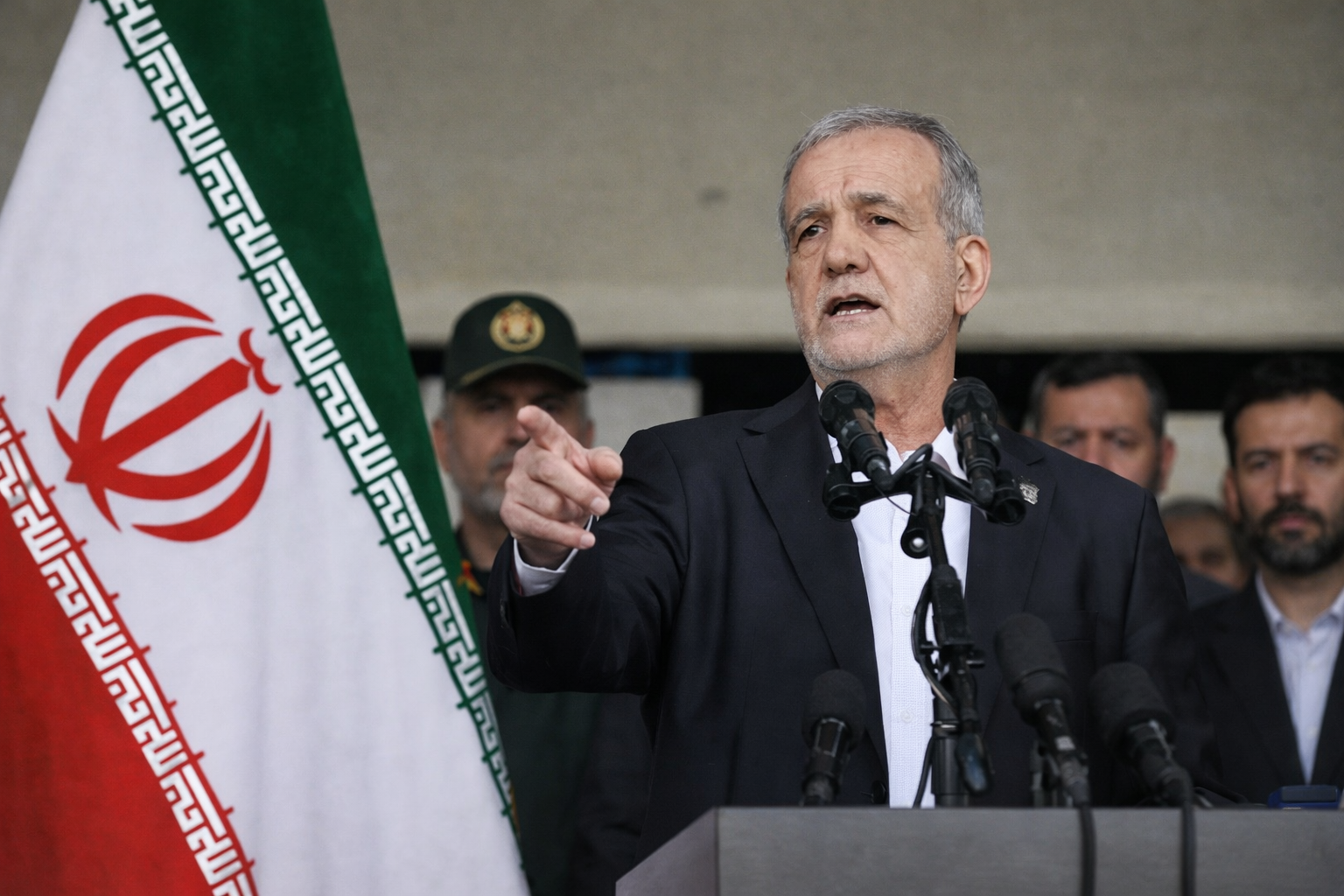
Iranian leaders have issued mixed messages regarding recent tensions and suspected attacks in the Persian Gulf, according to reports from international media including Reuters, BBC, and Al Jazeera. The conflicting statements from different officials in Tehran have raised questions among regional observers and Western governments about Iran’s strategic intentions.
Iranian President Masoud Pezeshkian and several government representatives have publicly emphasized that Iran seeks regional stability and does not want military escalation in the Gulf. Officials speaking to state media have repeatedly stressed the importance of diplomacy and dialogue with neighboring countries, particularly Gulf states.
However, statements from figures associated with Iran’s powerful security establishment, including commanders linked to the Islamic Revolutionary Guard Corps (IRGC), have taken a more confrontational tone. Some IRGC officials warned that Iran would respond strongly to any perceived threats from the United States or its regional allies.
According to analysts cited by Reuters and BBC, these contrasting messages reflect the complex power structure within the Iranian political system. Iran’s foreign policy is influenced not only by the elected government but also by powerful security institutions and the office of the country’s Supreme Leader, Ali Khamenei.
Regional tensions have remained high in recent months across the Persian Gulf, a strategic maritime corridor through which a large share of the world’s oil supply passes. Western officials, including representatives from the United States Department of Defense, have previously accused Iran or Iran-aligned groups of involvement in incidents affecting shipping and security infrastructure in the region. Tehran has consistently denied direct responsibility.
Experts quoted by Al Jazeera note that Iran’s mixed messaging could serve multiple strategic purposes: reassuring regional partners that Tehran seeks stability while simultaneously signaling deterrence toward the United States and its allies.
Diplomatic observers say the situation highlights the delicate balance Iran is trying to maintain as it navigates economic pressure, regional rivalries, and ongoing security tensions across the Middle East.

Iranian Foreign Minister Abbas Araghchi Joins Massive March in Tehran to Mark International Quds Day

170 Children Killed After Strike Hits School in Iran, Tehran Accuses United States of Responsibility