Today March 7, 2026, 11:09 PM
Today March 7, 2026, 11:09 PM
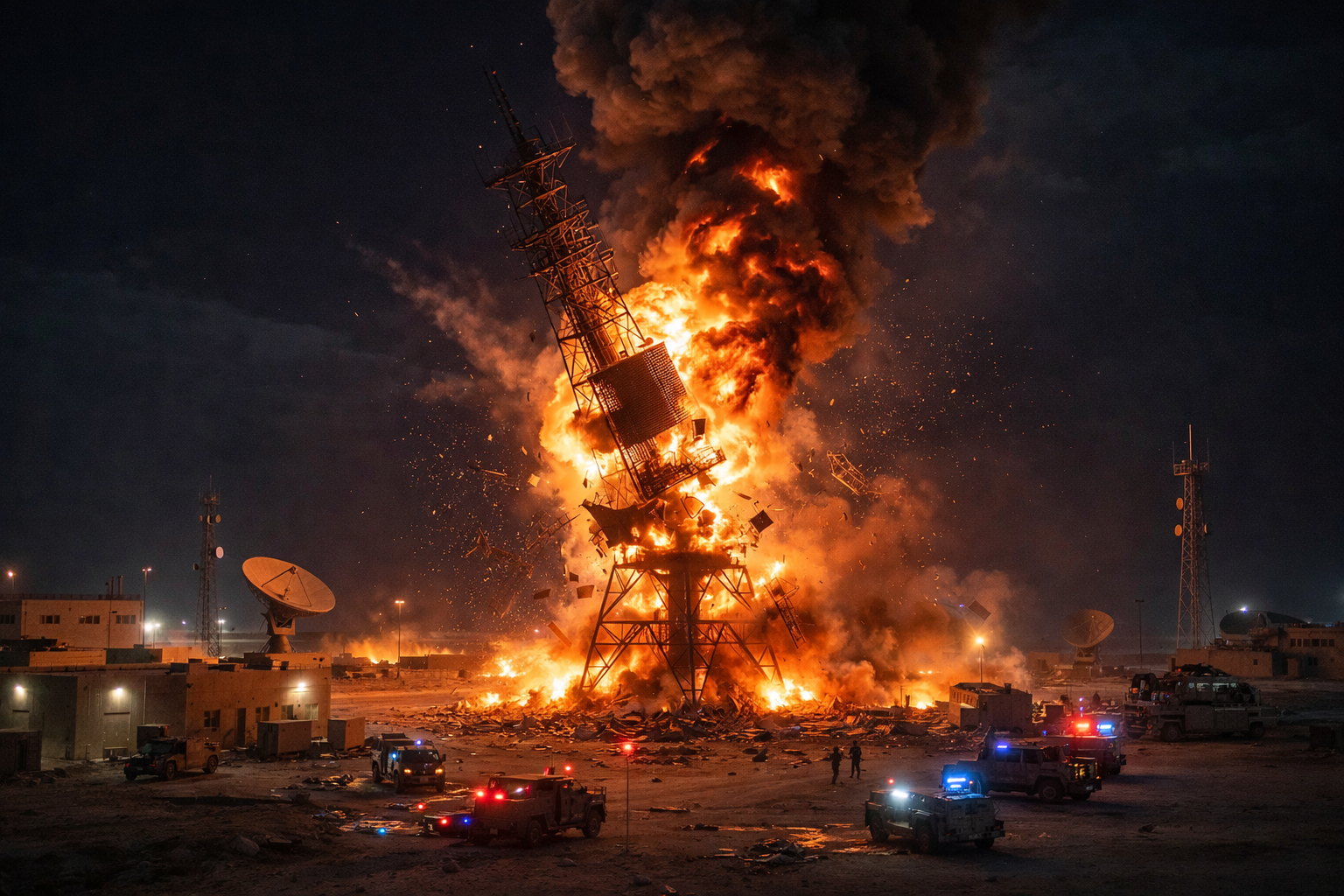
Iran has reportedly destroyed a key U.S. missile defense radar system during a strike on a military base in Jordan, according to multiple international media reports citing military officials and satellite imagery analysis. The attack targeted a critical AN/TPY-2 radar associated with the U.S. Terminal High Altitude Area Defense (THAAD) missile defense system at Muwaffaq Salti Air Base.
The radar system, valued at roughly $300 million, serves as the primary detection and tracking sensor for the THAAD interceptor network, allowing U.S. and allied forces to detect and track ballistic missile launches across large areas of the Middle East. Analysts say the destruction of such a system could temporarily weaken regional missile detection capabilities.
According to defense analysts and satellite imagery reviewed by media outlets, Iranian strikes during the early phase of the escalating confrontation with U.S. and Israeli forces appear to have specifically targeted radar and communication infrastructure that supports American missile defense systems in the region.
The strikes reportedly affected installations in several countries hosting U.S. military assets, including Jordan and other Gulf locations, highlighting a strategy aimed at degrading the sensor network that allows the United States and its allies to track incoming missile threats.
Military experts note that radar systems such as the AN/TPY-2 act as the “eyes” of the THAAD system, providing long-range detection and tracking data used to guide interceptor missiles. Damage to such systems can disrupt the ability to coordinate missile defense operations across multiple allied bases.
Despite the reported strike, U.S. military officials have stated that regional forces remain operational and that the broader missile defense architecture includes multiple sensors and redundant systems designed to maintain coverage even if one installation is damaged.
The incident underscores rising tensions in the Middle East, where ongoing confrontations between Iran, the United States, and Israel have increasingly targeted strategic infrastructure such as missile bases, radar stations, and drone facilities.

Iranian Foreign Minister Abbas Araghchi Joins Massive March in Tehran to Mark International Quds Day

170 Children Killed After Strike Hits School in Iran, Tehran Accuses United States of Responsibility