Today March 12, 2026, 10:11 PM
Today March 12, 2026, 10:11 PM
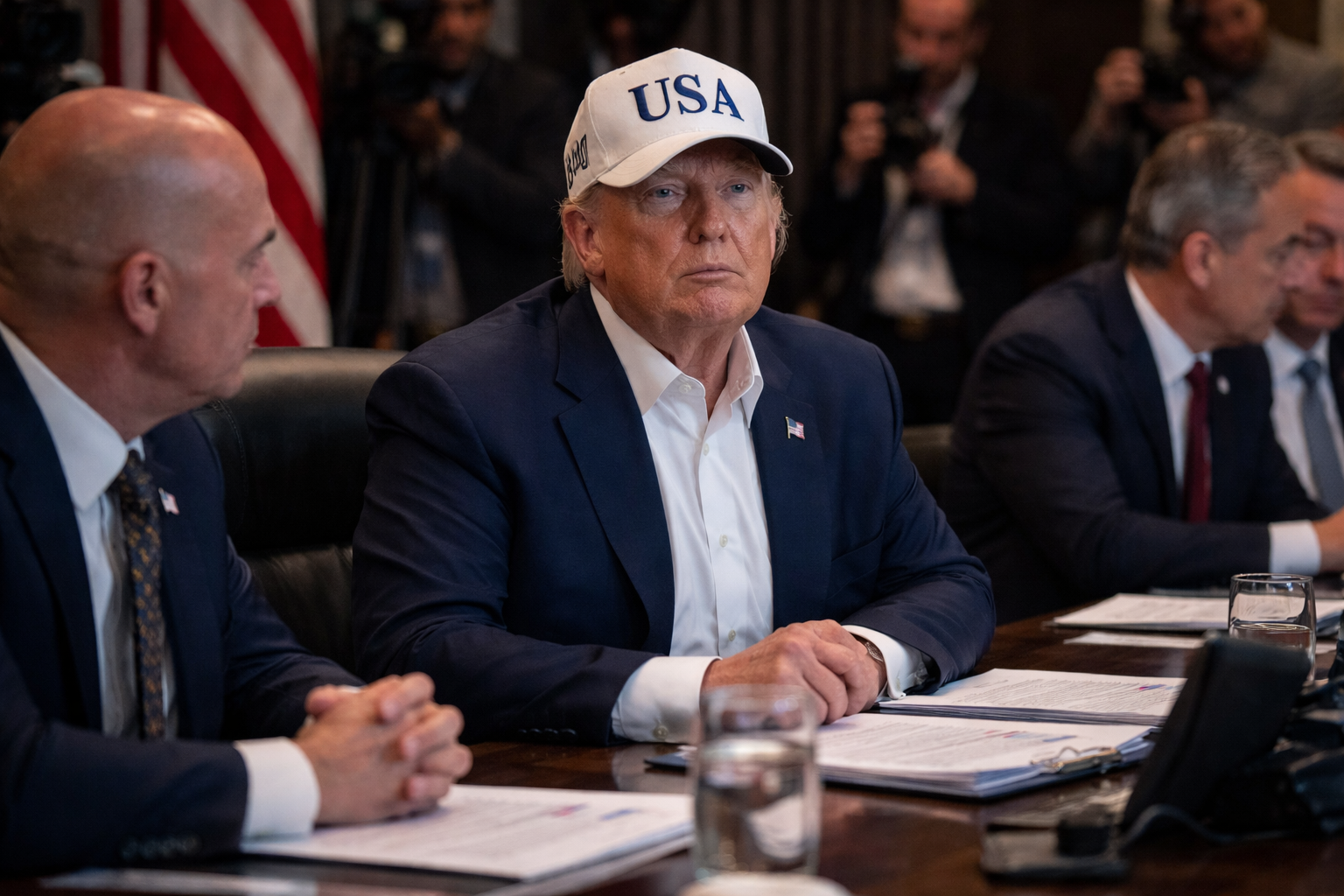
A new national survey conducted by pollster John McLaughlin indicates that a majority of American voters support efforts by former U.S. President Donald Trump to prevent Iran from obtaining nuclear weapons, highlighting strong public backing for decisive action against Tehran’s nuclear ambitions.
According to the McLaughlin poll, 51 percent of likely voters approve of Trump’s decision to use military force aimed at dismantling Iran’s nuclear missile program and limiting the country’s ability to develop nuclear weapons. Around 41 percent of respondents said they disapprove of the action, while the remaining voters were undecided.
The poll surveyed approximately 1,000 likely voters between March 2 and March 9 and carries a margin of error of about ±3.1 percentage points.
Support increases further when voters are reminded of Iran’s long history of confrontation with the United States. In that context, 57 percent of respondents agreed that U.S. military actions against Iran’s leadership and military infrastructure were justified to protect American lives and long-term security.
Political divisions remain significant. Republican voters overwhelmingly support military action, with about 86 percent approving of Trump’s decision. However, the survey also found limited bipartisan backing, with roughly a quarter of Democratic voters indicating support for measures aimed at stopping Iran’s nuclear program.
The debate over Iran’s nuclear ambitions has intensified following a series of escalating events in the Middle East. In recent months, the United States and Israel carried out coordinated strikes targeting Iranian nuclear facilities and military infrastructure, actions that Washington said were necessary to prevent Tehran from advancing toward nuclear weapons capability.
Trump has repeatedly argued that preventing Iran from acquiring nuclear weapons is essential for regional and global security. The former president has warned that Iran’s missile development and nuclear research pose a direct threat to U.S. allies in the Middle East as well as American military personnel stationed abroad.
Iran, however, denies pursuing nuclear weapons and insists its nuclear program is intended for peaceful energy production. Iranian officials have condemned U.S. and Israeli military operations as violations of international law and have vowed to continue developing defensive capabilities.
Public opinion inside the United States remains complex. While some polls show support for efforts to stop Iran’s nuclear program, other national surveys suggest Americans are divided over direct military action and are concerned about the possibility of a broader regional war.
Foreign policy analysts warn that the confrontation between Washington and Tehran could reshape geopolitical dynamics across the Middle East, potentially drawing in regional powers and global allies.
As tensions remain high, policymakers in Washington continue to debate the balance between diplomatic engagement, economic sanctions, and military pressure to prevent Iran from developing nuclear weapons.

Iranian Foreign Minister Abbas Araghchi Joins Massive March in Tehran to Mark International Quds Day

170 Children Killed After Strike Hits School in Iran, Tehran Accuses United States of Responsibility