Today January 20, 2026, 03:41 PM
Today January 20, 2026, 03:41 PM
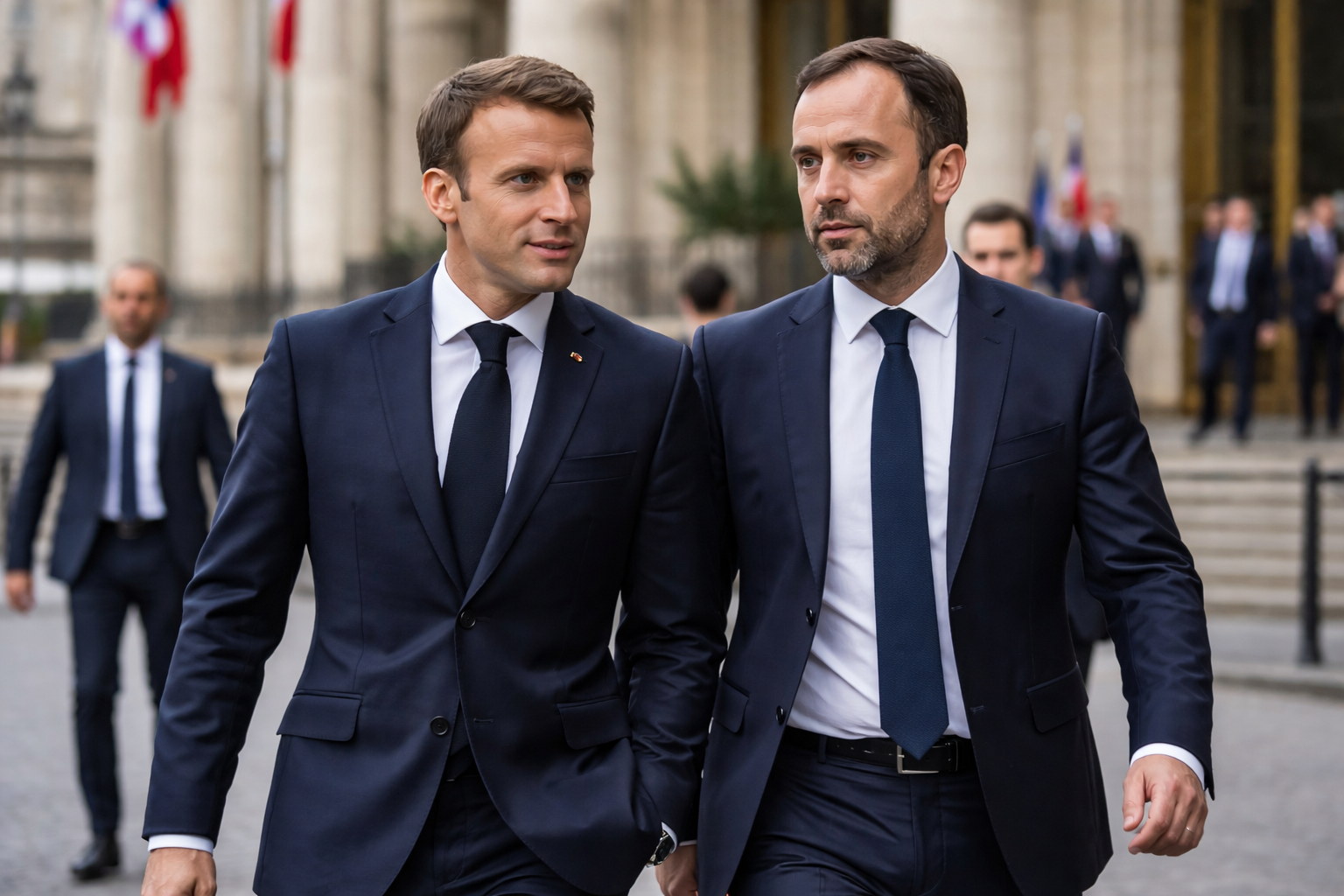
French Prime Minister Sébastien Lecornu used a special constitutional provision on January 20, 2026, to adopt the country’s 2026 budget without a parliamentary vote. The decision follows extended negotiations with opposition parties and was taken amid political pressure.
President Emmanuel Macron publicly supported the move, stating the budget would provide stability and include measures such as increased worker bonuses and expanded student meal programs. Critics from both right-wing and left-wing parties condemned the tactic as undermining parliamentary procedure.
The budget adoption occurred in Paris as France continues to navigate a fragmented political landscape with a minority government. Despite the controversy, the government avoided a motion of no confidence due to support from some Socialist lawmakers.
Officials confirmed that the budget deal includes concessions aimed at broadening political support, such as affordable housing initiatives and extensions to student welfare programs. Debate over the use of constitutional powers is expected to continue among lawmakers.
Parliamentary leaders from several opposition parties signaled further scrutiny of the government’s approach, with some pledging additional challenges to executive authority. Macron’s office described the budget move as necessary to maintain fiscal continuity.
Sources
Reuters

Iranian Foreign Minister Abbas Araghchi Joins Massive March in Tehran to Mark International Quds Day

170 Children Killed After Strike Hits School in Iran, Tehran Accuses United States of Responsibility