Today January 10, 2026, 05:41 AM
Today January 10, 2026, 05:41 AM
Ongoing → policy proposal announced and under consideration
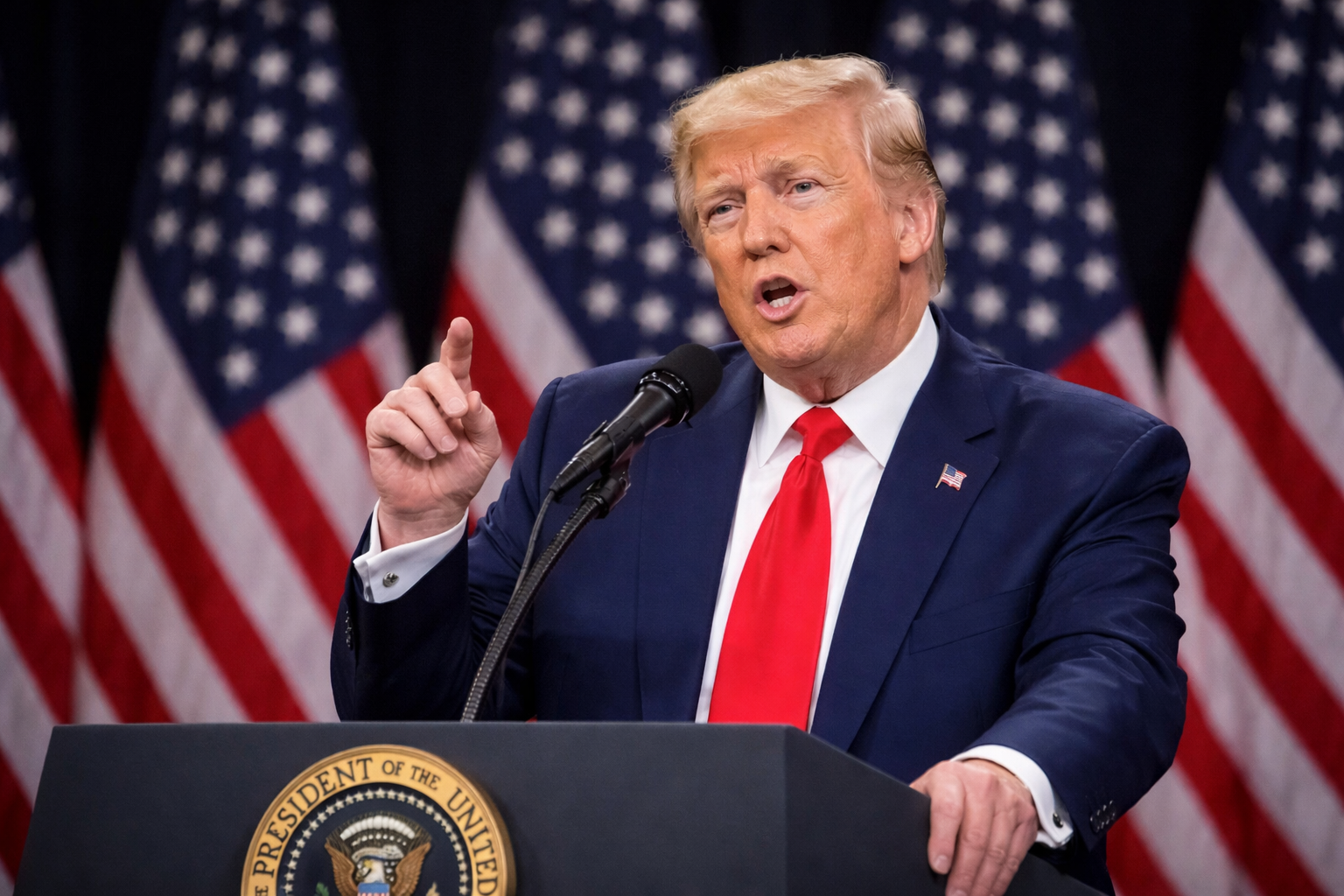
On January 10, 2026, U.S. President Donald Trump publicly called for a temporary cap on credit card interest rates at 10% for a one-year period beginning January 20, 2026, in an effort framed as protecting consumers from high borrowing costs. The announcement was made via a post on the former president’s social media platform and referenced in an official White House statement. It does not yet represent a legally binding change to federal regulation, and the matter remains subject to legislative action and implementation discussions.
According to the announcement, the proposed cap would take effect on January 20, 2026 — the first anniversary of Trump’s return to the White House. The President described the move as a response to what he characterized as excessive interest rates currently charged by credit card companies, which he noted can exceed 20–30%. He asserted that the measure is intended to increase affordability for American consumers, though details on enforcement mechanisms and regulatory pathways were not provided.
Legal and policy experts have noted that such an interest rate cap cannot be imposed solely through executive action and would require approval by the U.S. Congress to become binding law. Multiple bipartisan bills proposing similar caps on credit card interest rates have been introduced in Congress, but none have been enacted into law at this stage. The current situation remains in the proposal phase, with lawmakers and industry stakeholders likely to engage in further debate.
Responses from various political figures highlighted differing perspectives. Some lawmakers emphasized the need for congressional consideration of the proposal, while others expressed skepticism about its feasibility without statutory authority. Financial industry representatives also commented in public forums that a mandated cap could have broad impacts on credit markets and consumer access to credit, though these views are part of ongoing discussion rather than finalized action.
The announcement follows earlier moves by the Trump administration to roll back certain credit card fee limits, including efforts involving federal regulations tied to late fees and other charges. These prior regulatory changes were carried out by the Consumer Financial Protection Bureau and related agencies, signaling a broader focus on financial market policy during the administration.
At this stage, the proposal remains under review and subject to legislative and regulatory processes, with no federal cap on credit card interest rates currently in effect. Congressional leaders and relevant committees in both the House and Senate are positioned to consider any formal legislative action required to implement such a policy.