Today January 16, 2026, 04:08 PM
Today January 16, 2026, 04:08 PM
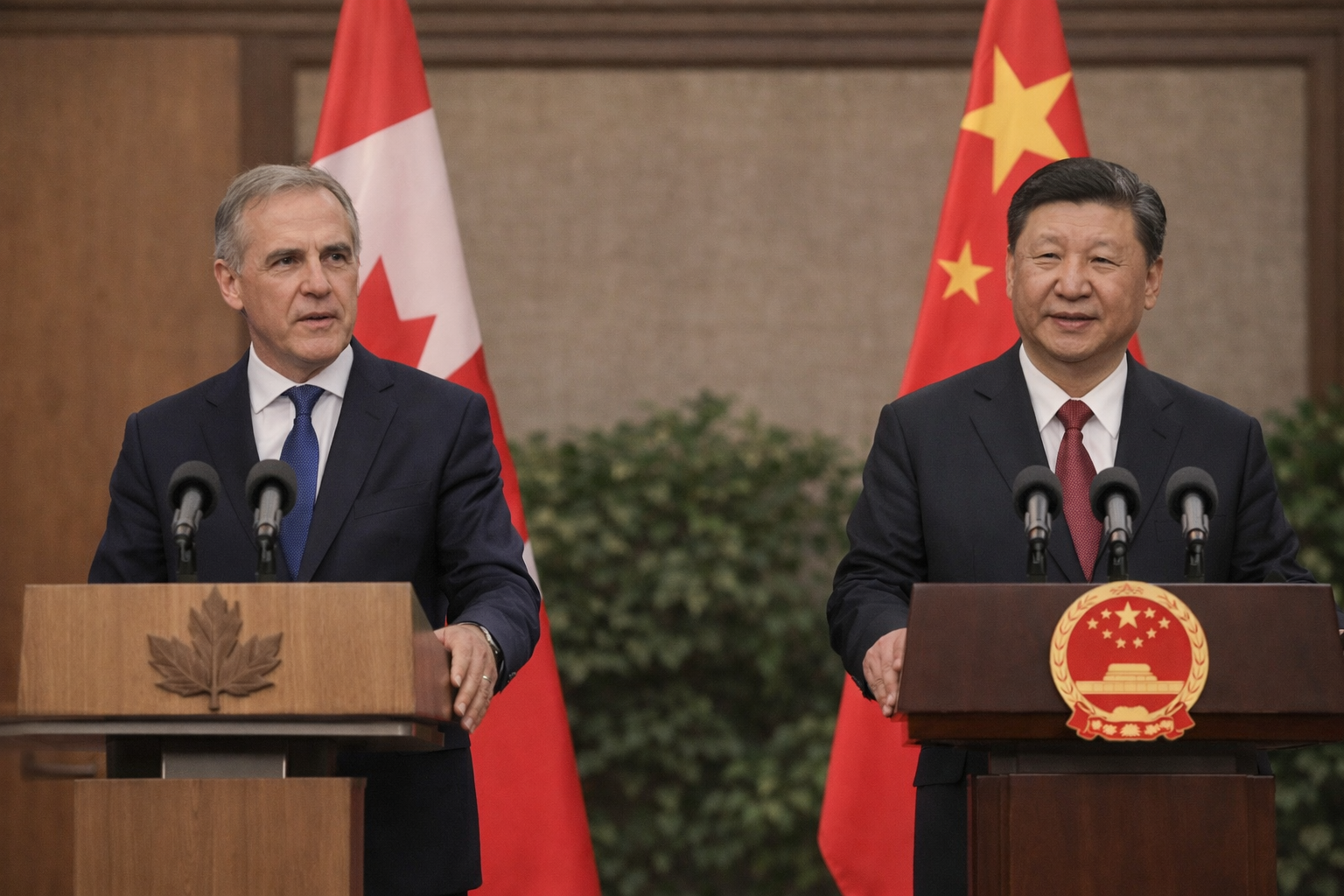
Completed negotiations between Canada and China resulted in a preliminary trade agreement that will reduce tariffs on Chinese electric vehicles (EVs) and Canadian agricultural exports, Canadian Prime Minister Mark Carney announced on January 16, 2026. The agreement was finalized during Carney’s official visit to Beijing, where he met with Chinese President Xi Jinping to discuss strengthening economic ties.
Under the trade pact, Canada will cut its 100 per cent tariff on imported Chinese electric vehicles to a lower rate of about 6.1 per cent and will permit up to 49,000 such vehicles annually, with the number rising to 70,000 over the next five years. In exchange, China agreed to reduce its tariffs on Canadian canola seed from around 84 per cent to approximately 15 per cent, while also lowering or removing duties on products such as canola meal, lobster, crabs, and peas.
Carney described the deal as part of a broader effort to rebuild bilateral relations after years of trade tensions and tariff retaliation between the two countries, and as a move to diversify Canada’s economic partnerships beyond reliance on the United States. The tariff reductions are intended to benefit farmers and exporters who have faced Chinese levies since 2024.
The tariff-quota arrangement marks the first major trade deal Carney has reached since taking office and reflects a reset in Canada–China relations that includes discussions on cooperation in agriculture, energy, and finance. China also offered commitments to invest in the Canadian auto sector and agreed on visa-free travel for Canadian visitors as part of the broadening diplomatic engagement.
Ontario Premier Doug Ford publicly criticized the agreement, warning that reducing tariffs on Chinese electric vehicles could harm Canada’s domestic auto industry and jeopardize access to the U.S. market, Canada’s largest export destination. Ford argued that cheaper imported EVs might undercut local manufacturing jobs and urged Ottawa to reconsider the terms to protect domestic workers.
Carney’s announcement followed a four-day diplomatic mission to Beijing that began earlier in the week, focused on repairing trade relations after earlier retaliatory tariff measures and political tensions. As of the latest update, further implementation steps are underway to enact the tariff changes agreed upon in the pact.
Sources